
Biodiesel Production: From Feedstock to Fuel
As the world moves towards cleaner energy, biodiesel has become a crucial part of sustainable fuel solutions.

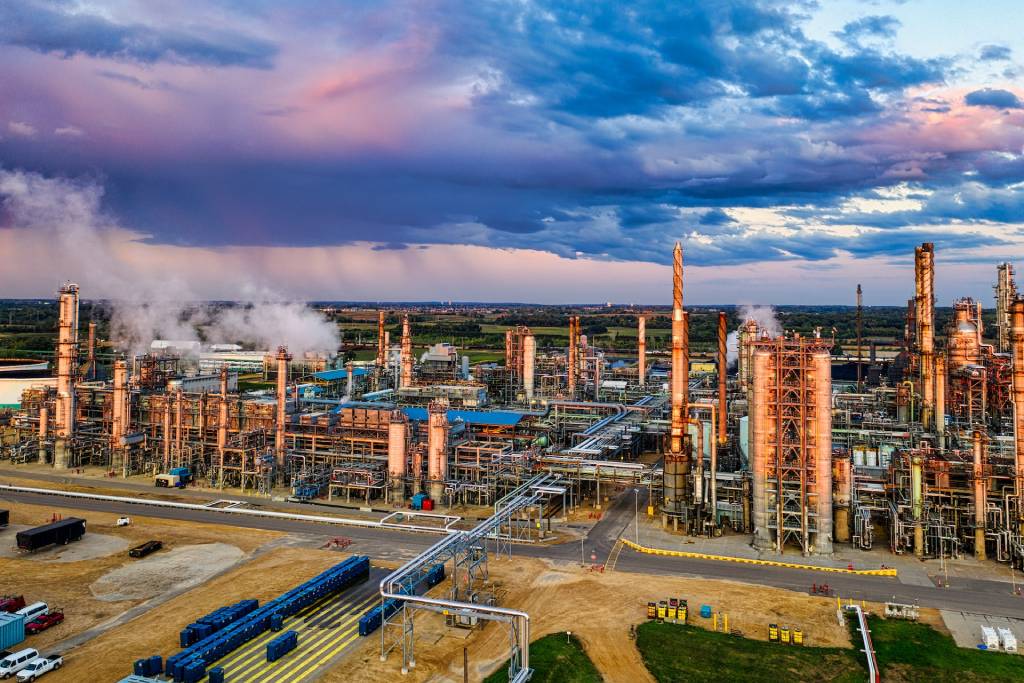
Biodiesel has become an important player in India’s shift towards renewable energy. This eco-friendly fuel is produced from a variety of natural feedstocks, including vegetable oils, animal fats, and used cooking oil. In India, where agriculture forms a major part of the economy, biodiesel production is often supported by crops such as jatropha, soybean, and sunflower, making it a practical and sustainable alternative to fossil fuels.
h5The process of producing biodiesel involves transesterification, where oils or> fats are combined with methanol and a catalyst. This chemical reaction produces biodiesel and glycerin, both of which have valuable applications. What makes biodiesel attractive is its compatibility with existing diesel engines, allowing for widespread use without the need for modifications.
h5Indian exhibition companies are increasingly spotlighting biodiesel at renewable energy expos and green technology events. These exhibitions provide a platform for showcasing innovations in biofuels and promoting sustainable energy solutions. As industries strive to reduce their carbon footprints, biodiesel is gaining attention as a versatile, cleaner-burning fuel. Through such platforms, exhibition companies are helping businesses explore greener alternatives and support the global transition to renewable energy.

As the world moves towards cleaner energy, biodiesel has become a crucial part of sustainable fuel solutions.

Biodiesel manufacturing in India has witnessed significant innovation, driven by the need for sustainable.

Biofuels are playing a pivotal role in reshaping India’s renewable energy landscape.

Green hydrogen is set to revolutionize India’s renewable energy landscape, playing a crucial role in achieving
Green hydrogen production is quickly becoming the next frontier in India's clean energy transition.